

Photogrammetry
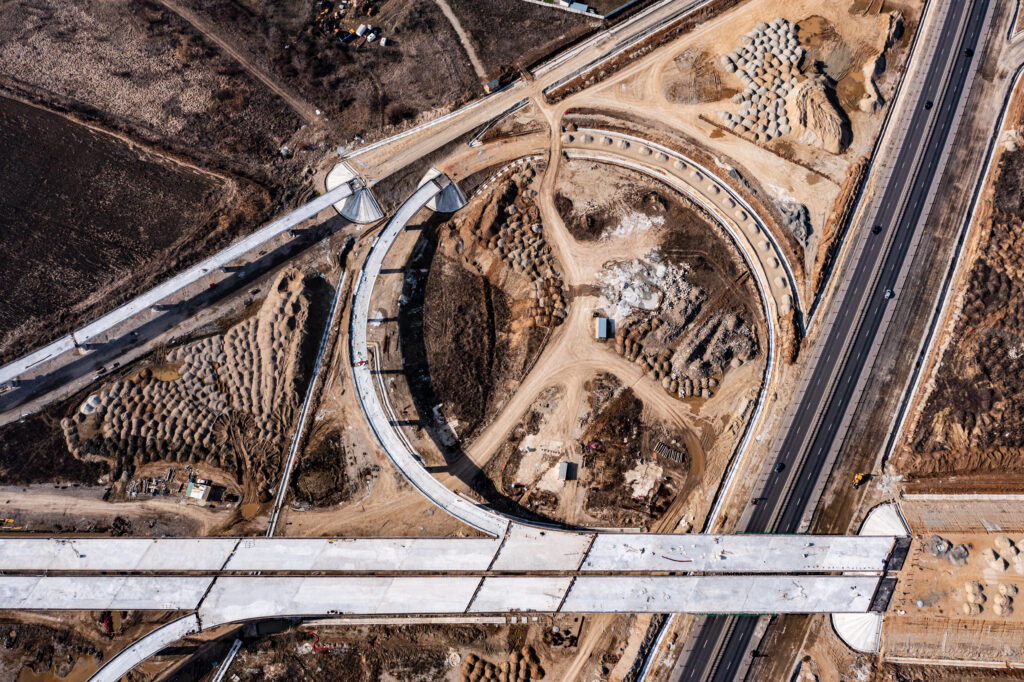
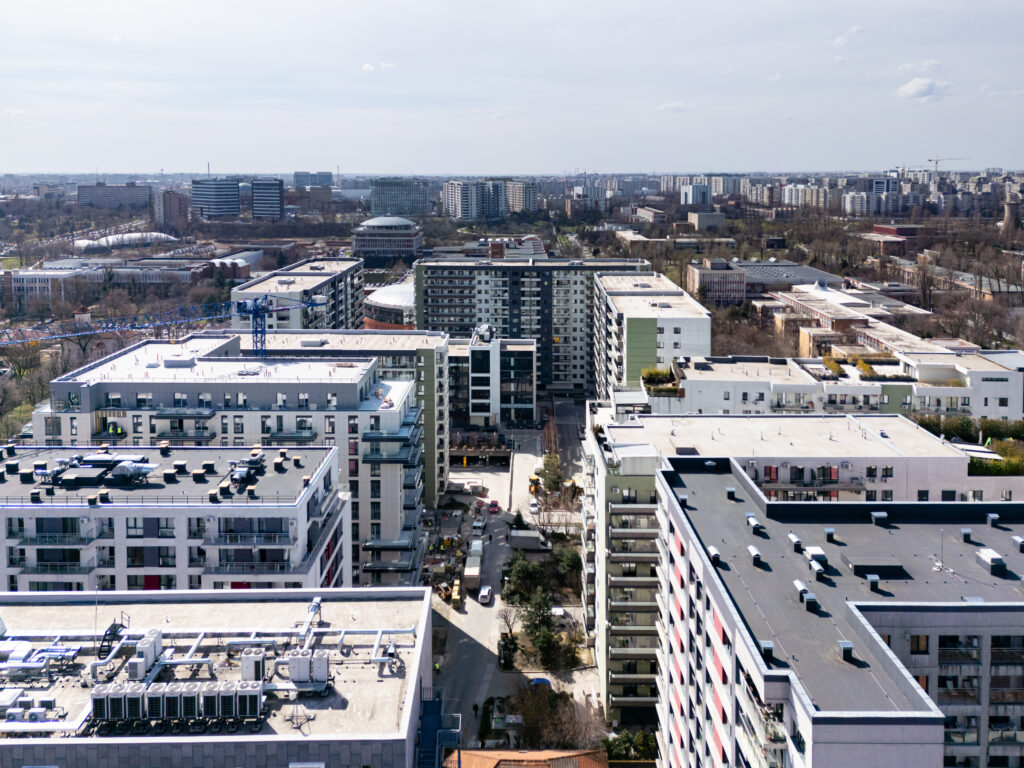
We perform photogrammetric measurements with RTK drones to obtain orthophotomaps, 3D models, point clouds and digital terrain models, used in design, execution and monitoring.
Photogrammetry is a branch of geodesy that uses images to obtain accurate data about objects and terrain, transforming 2D information from photographs into 3D (three-dimensional) information.
The primary product of digital photogrammetry is the point cloud. It geometrically describes the objects, terrain, studied phenomena or the photographed environment, the point cloud being sampled by true RGB colors.
Photogrammetry is used with great success for generating orthophotomaps, 3D models of analyzed surfaces, three-dimensional terrain models, as well as other related deliverables.
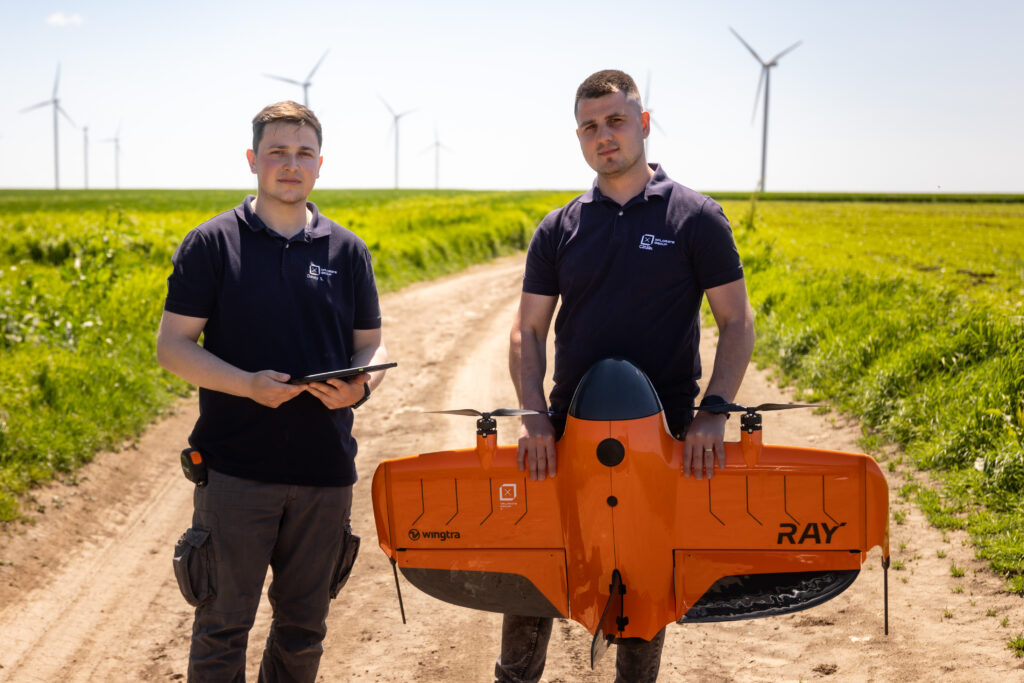
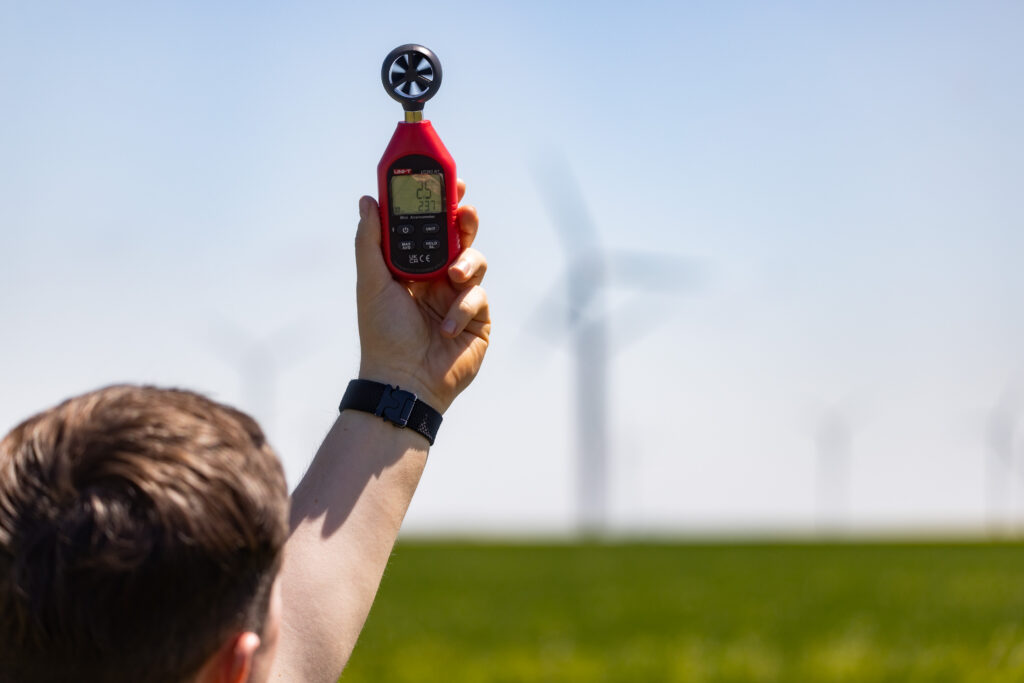
Based on the point cloud, deliverables such as orthophotomaps, three-dimensional terrain models, surface models or other related products required in complex technical projects are generated. Through photogrammetric techniques, 2D information from photographs is transformed into 3D information.
Depending on the method of image acquisition, photogrammetry is divided into two main categories:
Terrestrial photogrammetry involves taking photographs from ground level.
Aerial photogrammetry uses cameras mounted on a flying platform, such as an airplane, helicopter, or drone.
BENEFITS
- quickly covers large areas
- provides up-to-date information about the terrain
- allows measurements and calculations without repeated movements
- documents each stage of the project
- generates models usable in design and BIM
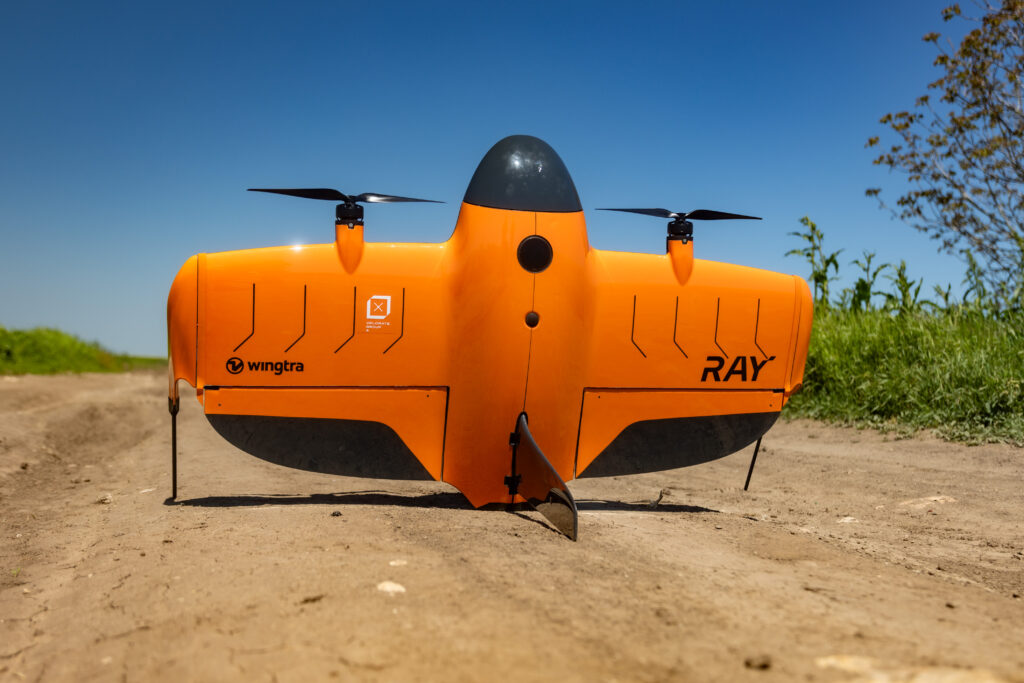
Equipment used in photogrammetry
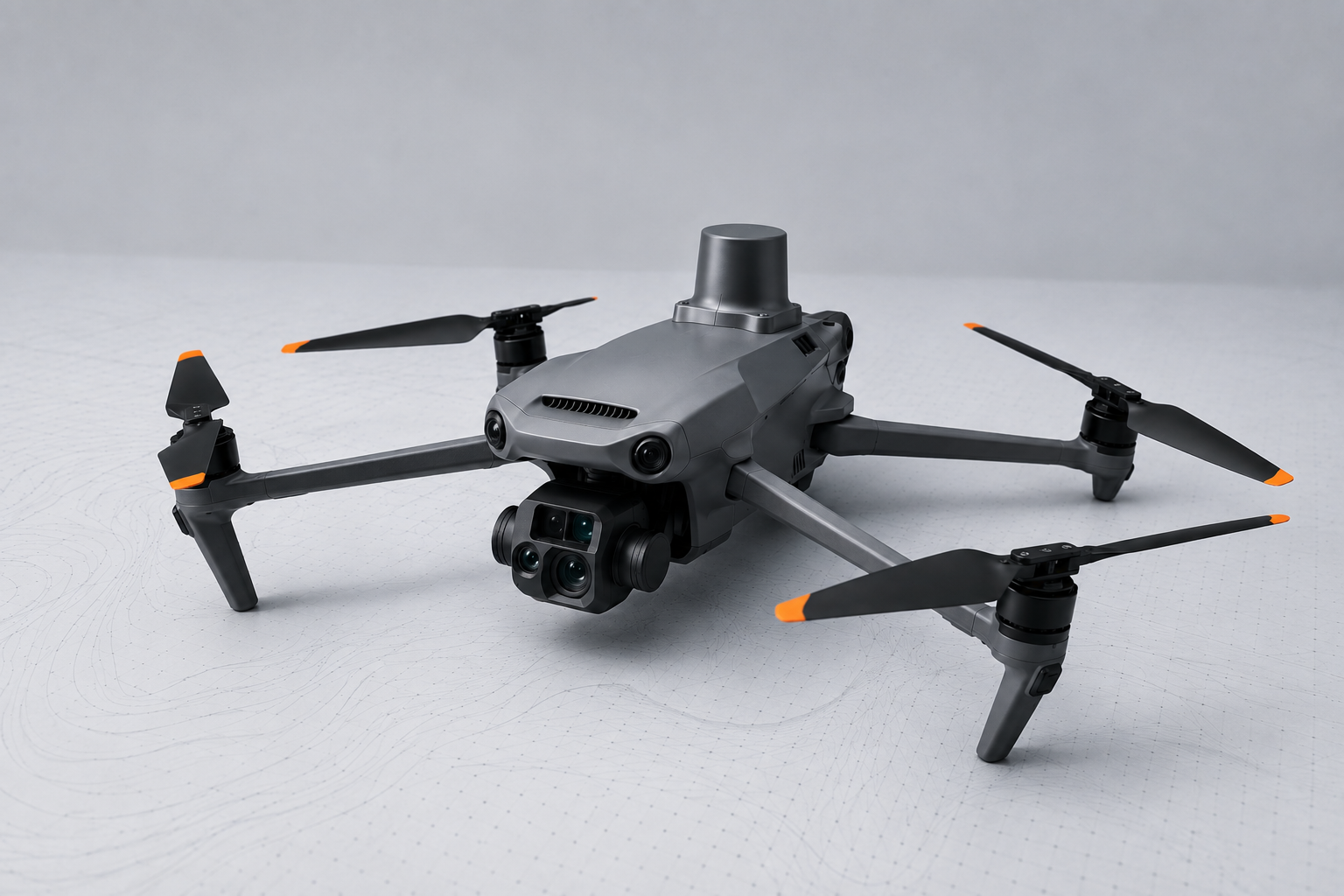
DJI Mavic 3E RTK
- 45-minute battery life
- The 20 MP camera and RTK technology provide images and data used for orthophotos, 3D models and volume calculations.
Wingtra Ray RTK
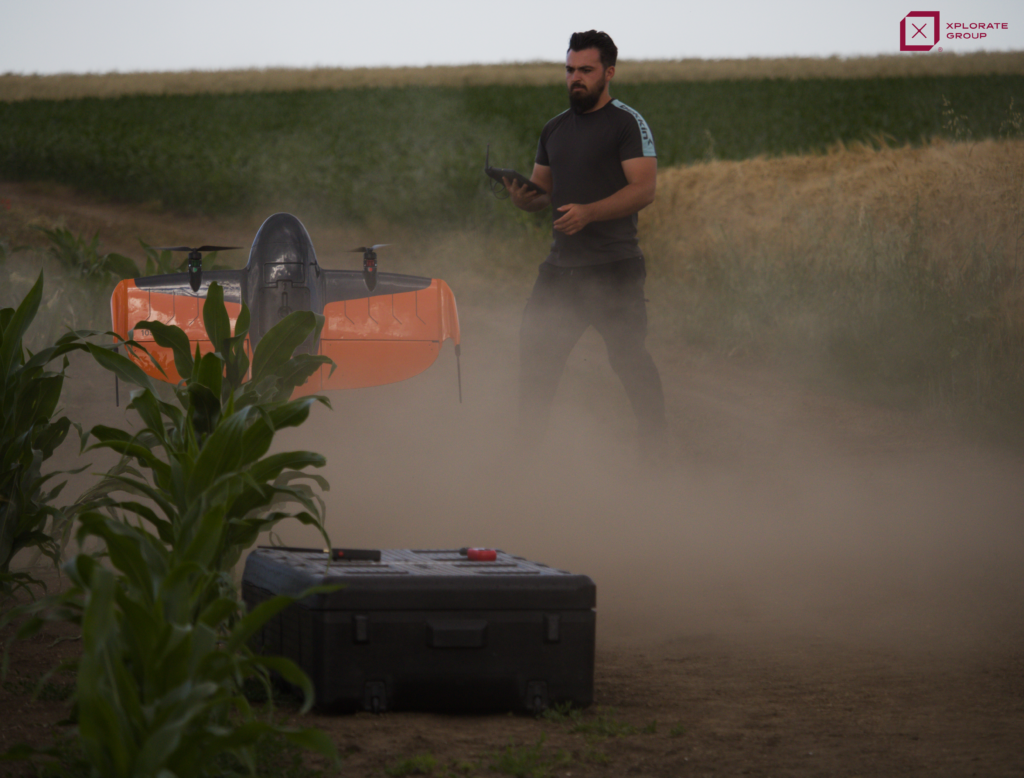
- 55 minutes of autonomy, vertical takeoff and approximately 250 ha in a single flight, multispectral cameras and LiDAR sensors.
- Infrastructure projects, topography, 3D modeling, agriculture and monitoring of hard-to-reach areas.
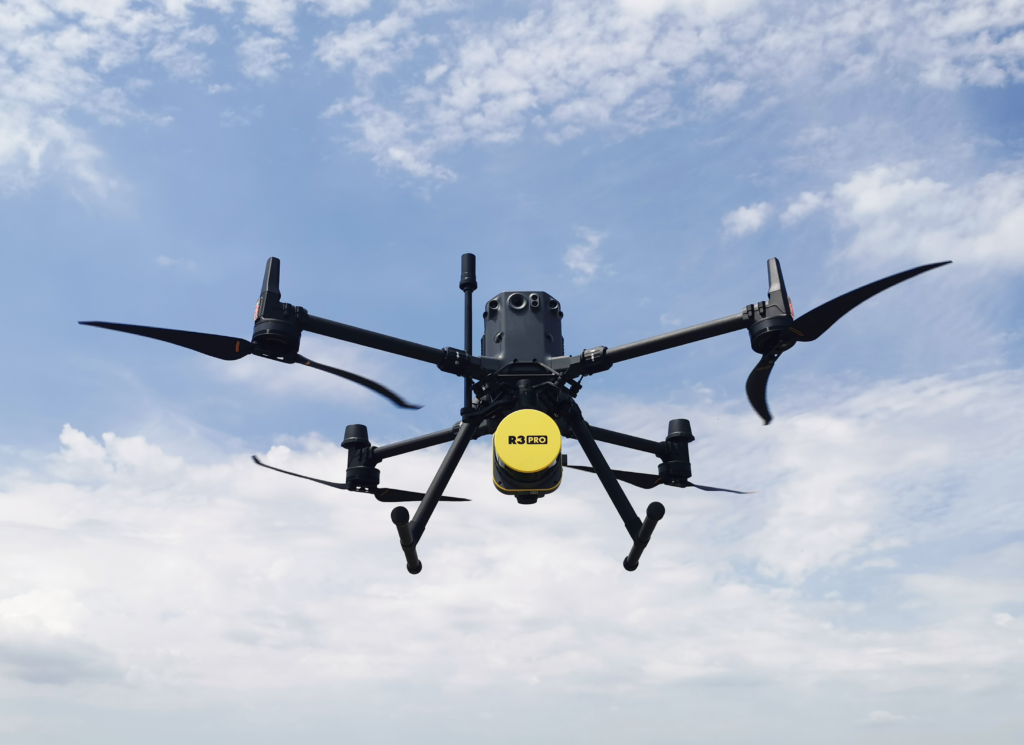
DJI MATRICE 350 RTK
- Autonomous flight missions and with specialized software,
- Orthophotos with extremely detailed ground resolution, in the centimeter or even millimeter range, and digital models (DSM, DTM) are obtained.
Areas of use
Photogrammetry or 3D laser scanning?
| Photogrammetry | 3D Laser Scanning |
| Large Surfaces | Buildings and Complex Objects |
| Aerial Data | Ground Data |
| Measurements | Available in the Platform |
| Ideal for Land | Ideal for Indoors and Outdoors |
| Orthophotoplan and Models terrain | Point cloud and 3D models |
In many projects the two technologies are used together to obtain a complete picture.
To create an orthophotomap, specific data and equipment are required. Aerial photography is done with drones equipped with RTK or PPK systems, which ensure the exact positioning of each image. Ground control points, measured in three-dimensional coordinates, are used to validate and adjust the model. In certain projects, the data is supplemented with information obtained through LIDAR systems mounted on drones, especially in complex or difficult-to-access areas.
The resolution is established according to the project objectives and can reach centimeter level or, in certain situations, millimeter level.
Application areas
Întrebări frecvente (FAQ)
How long do photogrammetric measurements take?
The flight can last from a few minutes for small areas to several hours for large areas. The duration of processing the obtained data varies depending on the area measured and the type of deliverables requested.
Can photogrammetry replace classical topographic surveying?
For large areas and open terrain, photogrammetry is faster than traditional methods. For areas with dense vegetation, details under trees or building interiors, it is recommended to combine it with traditional measurements or 3D laser scanning. Xplorate Group offers all three methods and recommends the optimal solution for each project.
How accurate are the measurements?
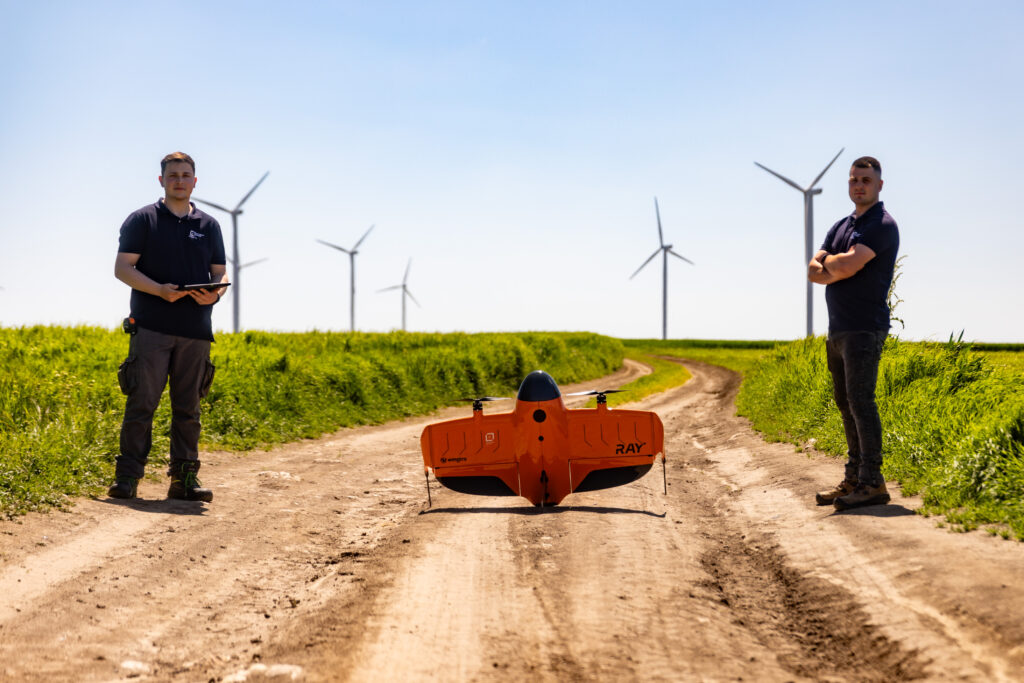
Wingtra Ray RTK is used for photogrammetric work where density and clarity of information are essential. Flight autonomy can reach up to 55 minutes, and in a single mission approximately 250 hectares can be photographed at a resolution of about 1.5 cm/pixel.
Aerial equipment includes drones such as the DJI Mavic 3E RTK, used for flights and detailed captures,
What is an orthophotomap and what is it used for?
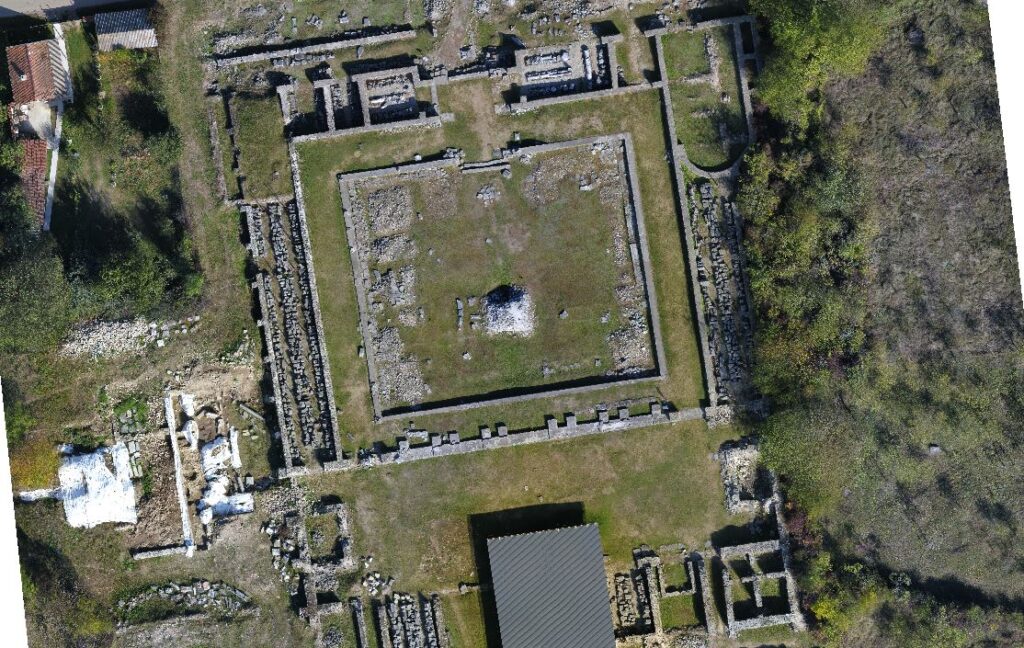
The orthophotomap is a mosaic created from aerial or terrestrial images taken by a camera. It is a metric image free from distortions generated by the equipment or the photographed relief that can be used for analysis, measurement and decision-making.
It is used in design, urban planning documentation, surface calculation, monitoring the evolution of construction sites and as a basis for situation plans.
What deliverables do I receive from photogrammetric flights?
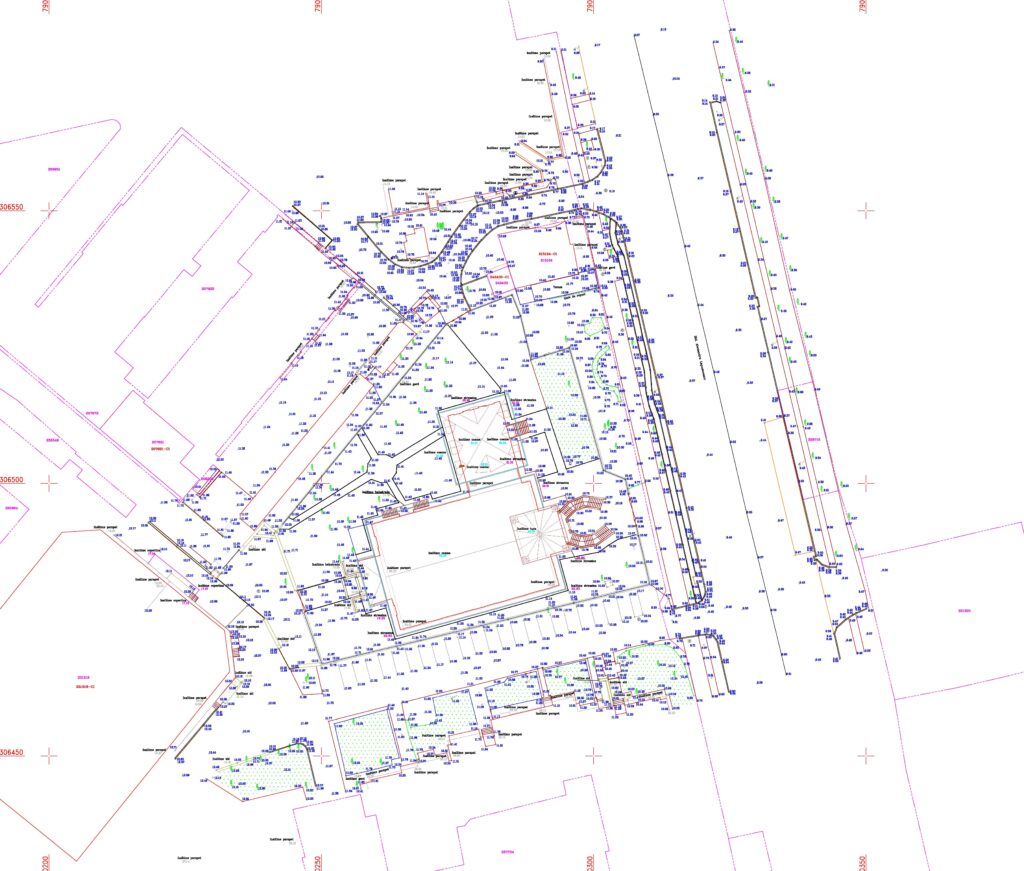
Depending on the project, we deliver orthophotos, 3D models, point clouds, digital terrain models (DTM, DSM), contour lines, site plans, volume calculations and other products tailored to the beneficiary’s requirements.
Do I need a flight permit?
Flight authorizations are the responsibility of Xplorate Group. The team holds all necessary approvals according to European (EU Regulation 2019/947) and national regulations regarding the operation of drones in Romania.
What information is needed for a quote?
The location of the land (address or coordinates), the estimated area, the purpose of the project (design, monitoring, volume calculation, urban planning documentation) and the desired deliverables. If you have existing documentation (cadastral plan, urban planning certificate), send it to us, it helps us with the estimate.
Photogrammetry projects
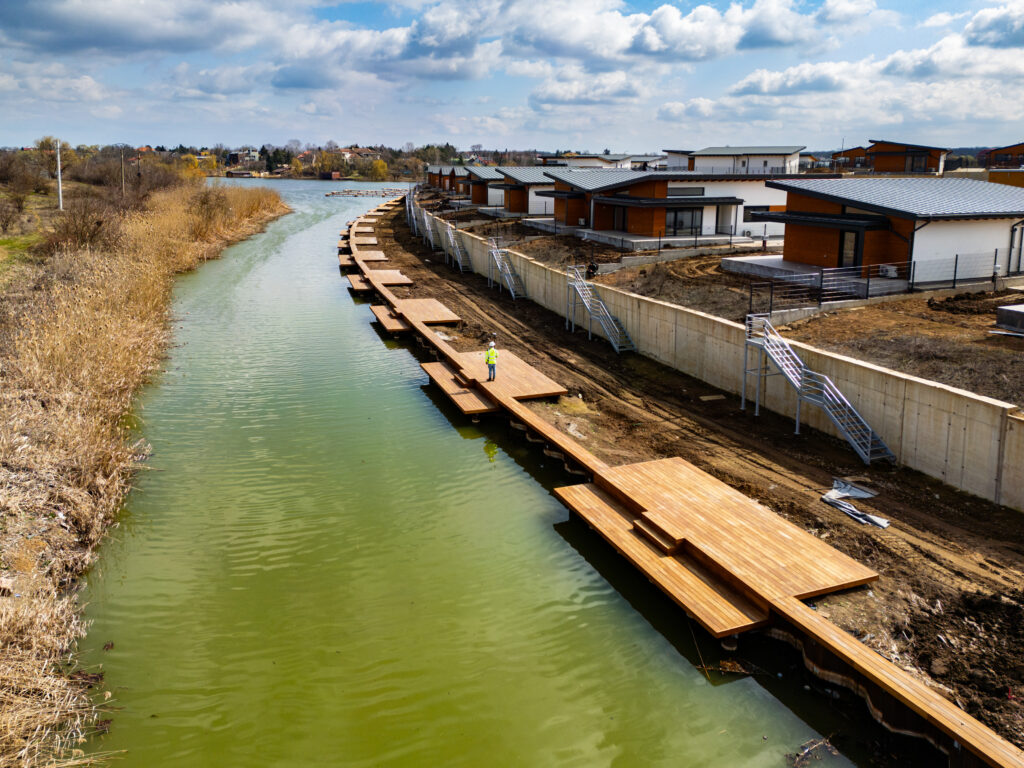
- Photogrammetry, Survey engineering during the execution phase, Site plans for design purposes
Send us a message
Explore the right solution for your project.
Fill out the form and we will analyze your requirements and get back to you with the next steps.