
Construction behavior tracking in time
Monitoring settlements, displacements, cracks and vibration monitoring (both for the construction in progress and neighboring constructions)
Structural behaviour monitoring is a periodic process of examining, observing and assessing how a structure responds over time, during both construction and use, under the influence of environmental factors, operating conditions, interactions with the surrounding environment and user activity.
For structures in service, this activity is currently regulated by P 130-2025, which came into force on 19 July 2025.
What does P 130-2025 provide for structural behaviour monitoring?
The new P 130-2025 regulation replaced P 130-99 and establishes two monitoring categories: routine monitoring and special monitoring. The category, monitoring intervals and methodology are established by the designer or certified technical expert, depending on the structure and its importance category.
Routine monitoring is carried out at the intervals specified in the monitoring instructions, at least once a year. For buildings with a height regime above ground-floor level, monitoring is mandatory, as well as after exceptional events such as earthquakes, floods, fires, explosions or landslides.
- prevention of incidents, accidents
- full perspective on possible settlements/inclinations of the entire project
- damage reduction
- preventing negative impact on neighboring constructions
- documenting the evolution of the structure to support technical decisions and potential interventions.
In terms of the investigations carried out, we distinguish:
Special monitoring
Special monitoring involves the systematic measurement, recording, processing and interpretation of the parameters established for the monitored structure.
According to P 130-2025, it applies, among other situations, to new structures classified as being of special or exceptional importance through the design, structures in service showing potentially hazardous behaviour, situations where it is recommended following a technical assessment or extended inspection, as well as cases where it is requested by the investor/owner, administrator/user or the state control authority.
Special monitoring is carried out based on a dedicated monitoring design and may be temporary or permanent. For new structures, the special monitoring design forms part of the technical execution design.
The methods used to monitor the behaviour of structures and land over time can be divided into two main categories:
Physical methods: These involve placing measuring devices directly on or inside the investigated structure. The instruments move together with the structure and are generally used to measure relative displacements.
Geometric (geodetic) methods: These methods determine the position of specific points fixed on the structure in relation to stable reference points located outside the area influenced by the factors affecting the structure and the land on which it is located. They can determine vertical, horizontal or spatial displacements, in both absolute and relative terms.
Some of the stages involved in this type of project include:
installing settlement markers and planimetric reference points to monitor settlement and displacement of the newly built structure and/or neighbouring structures
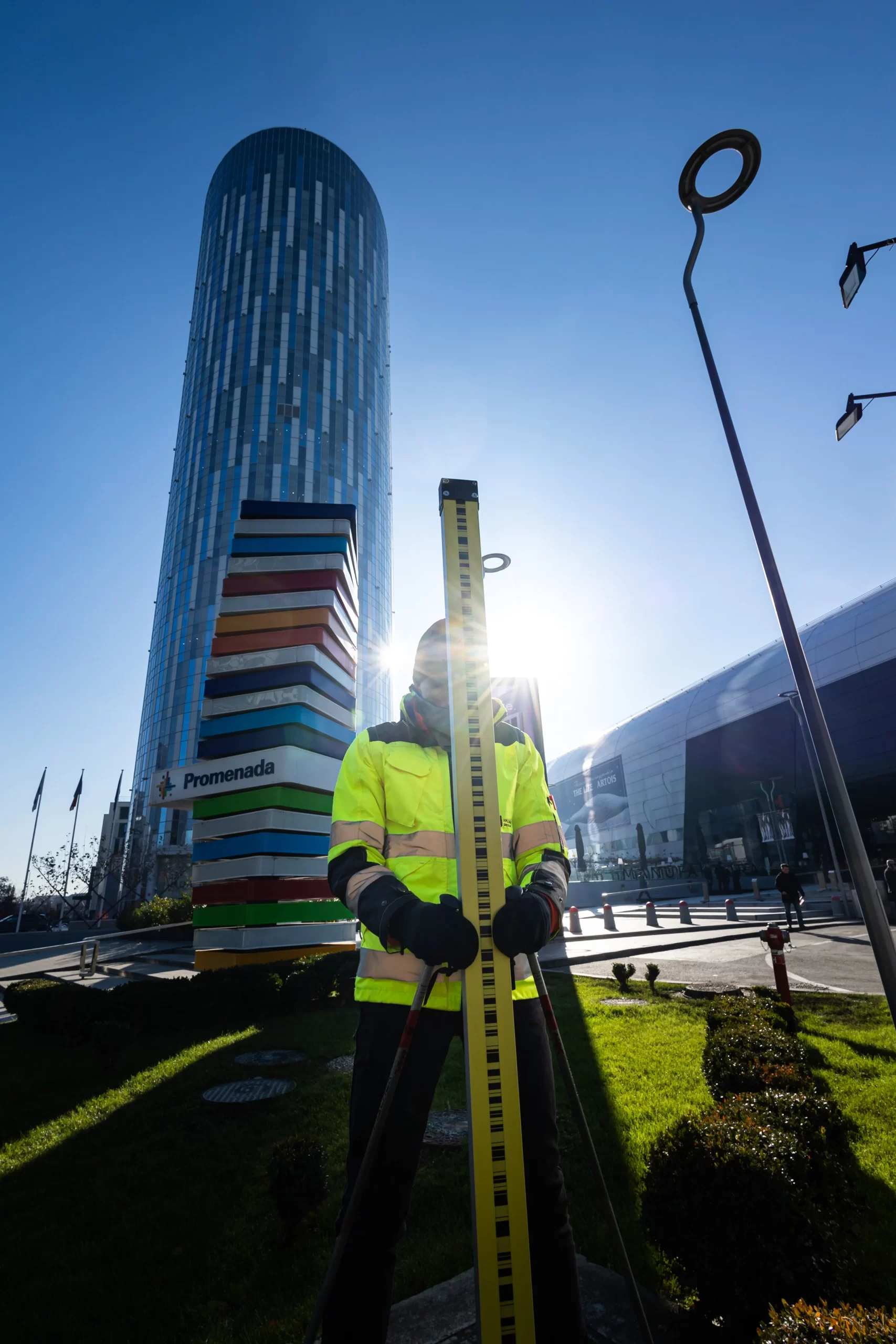
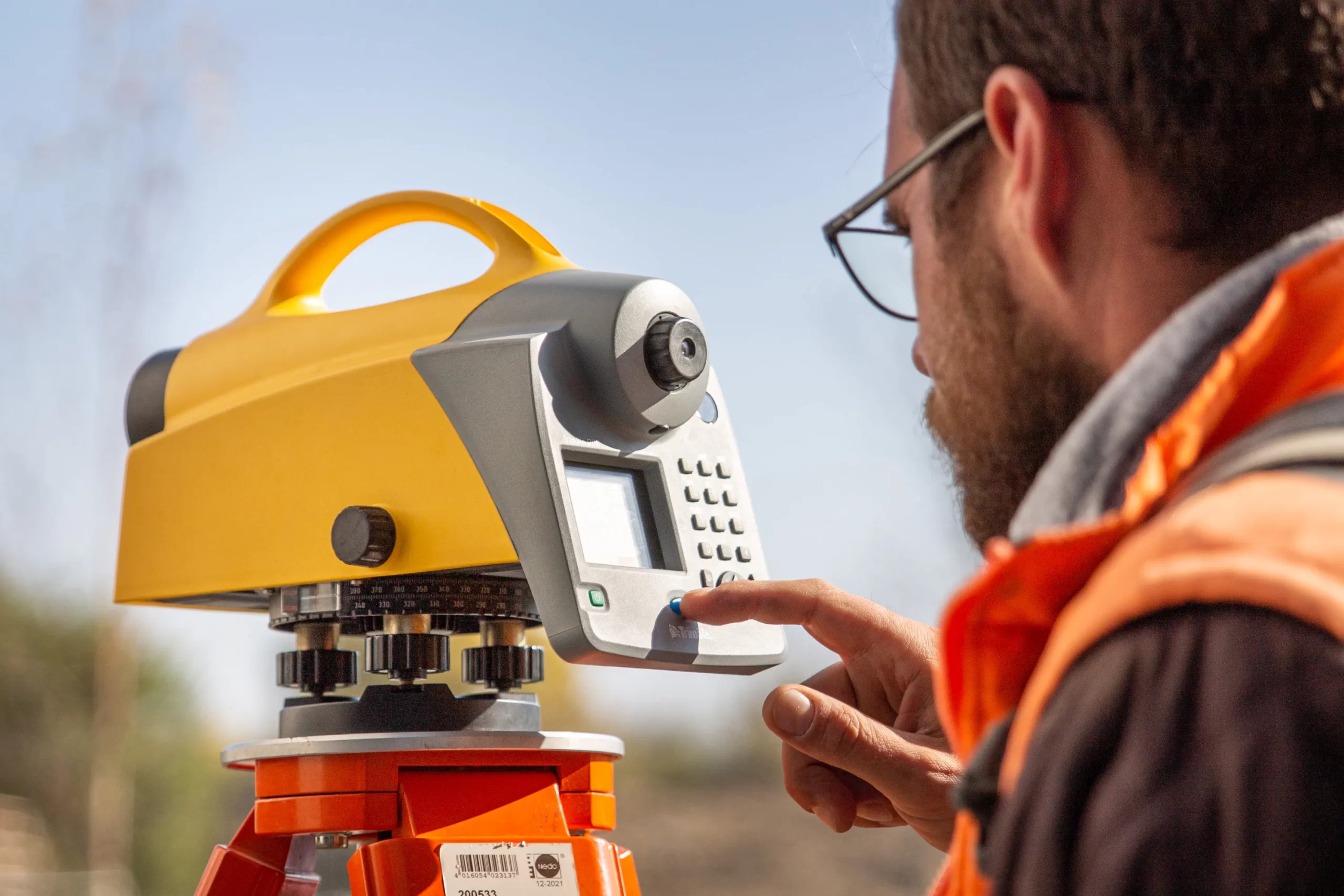
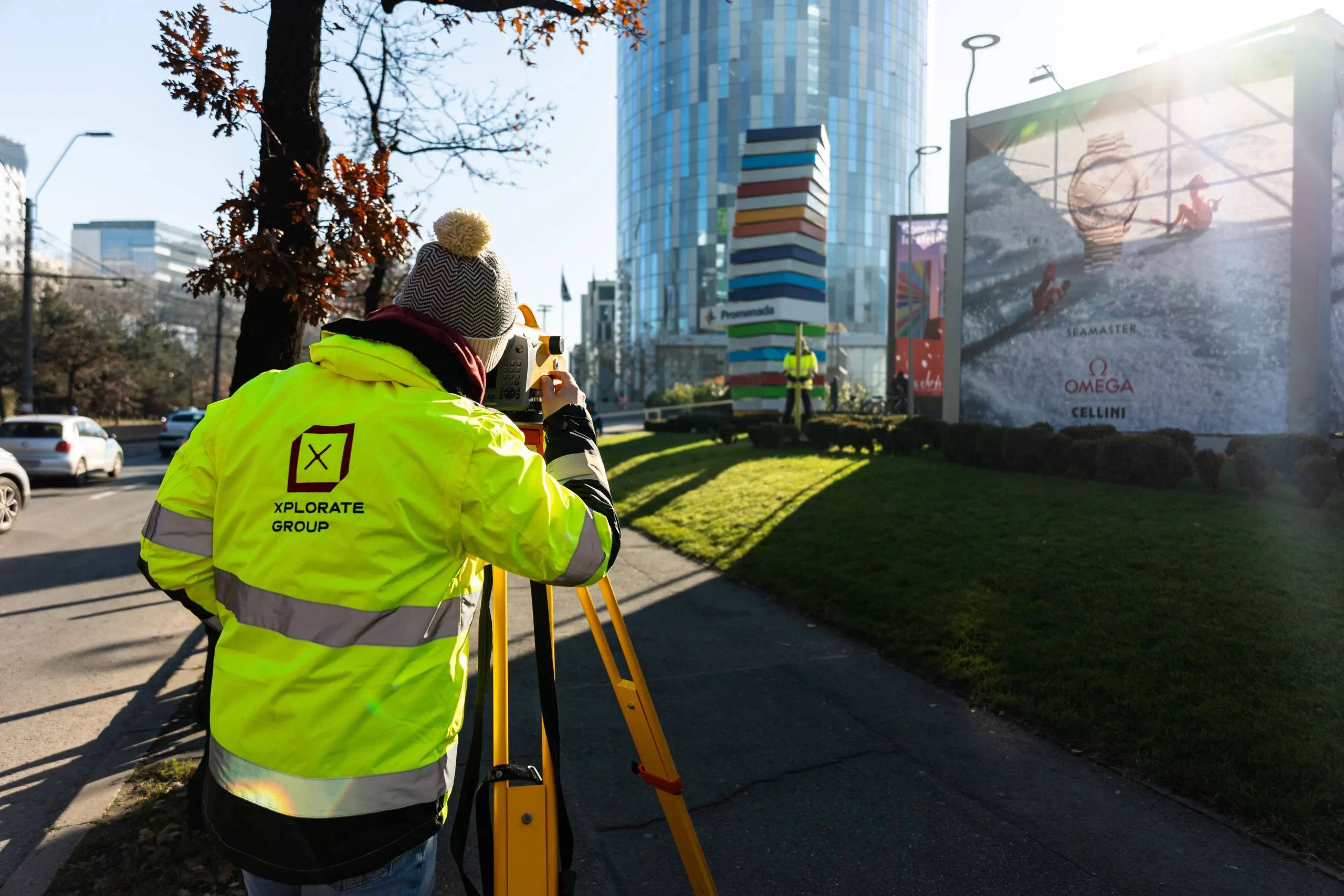
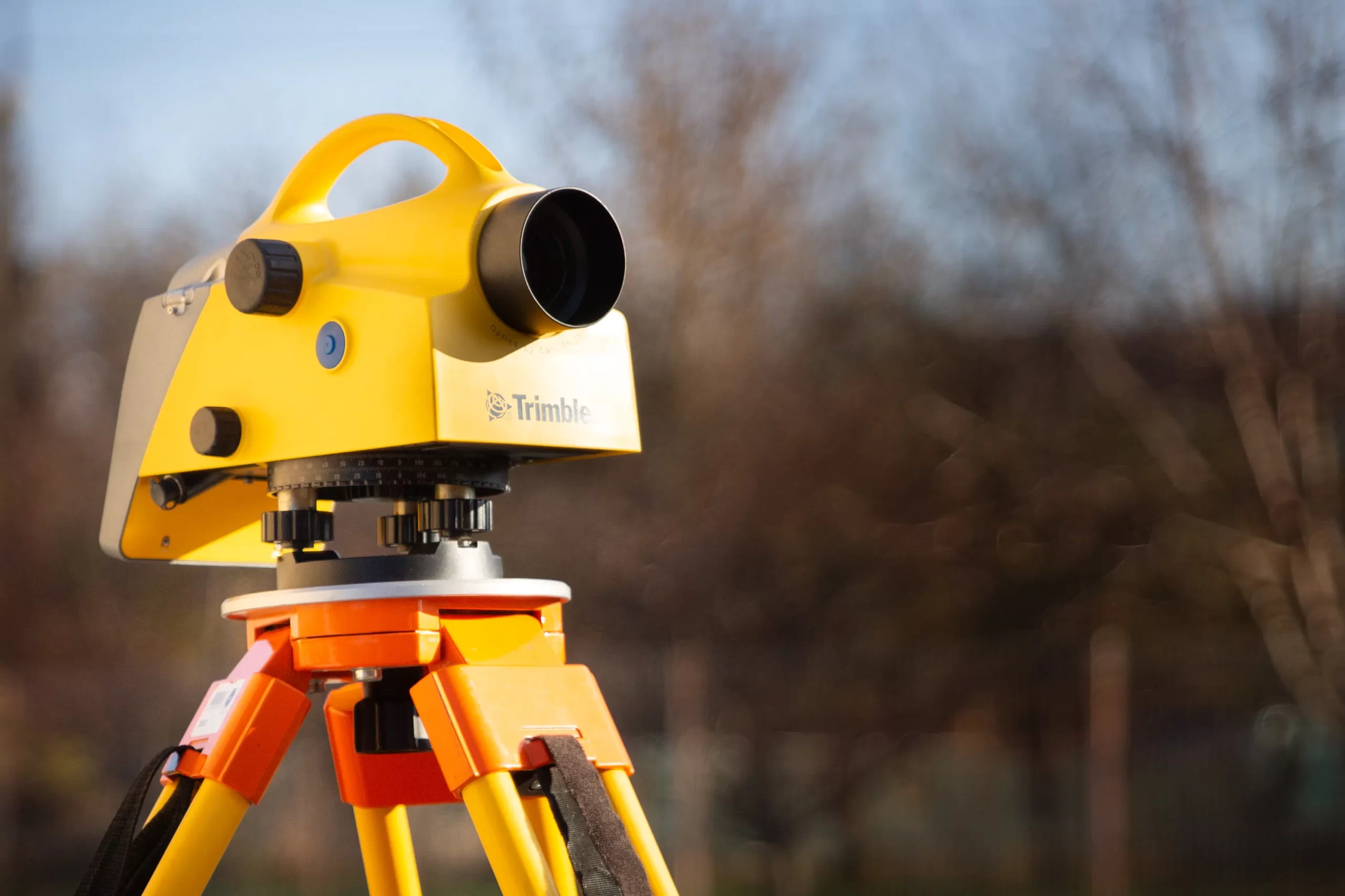
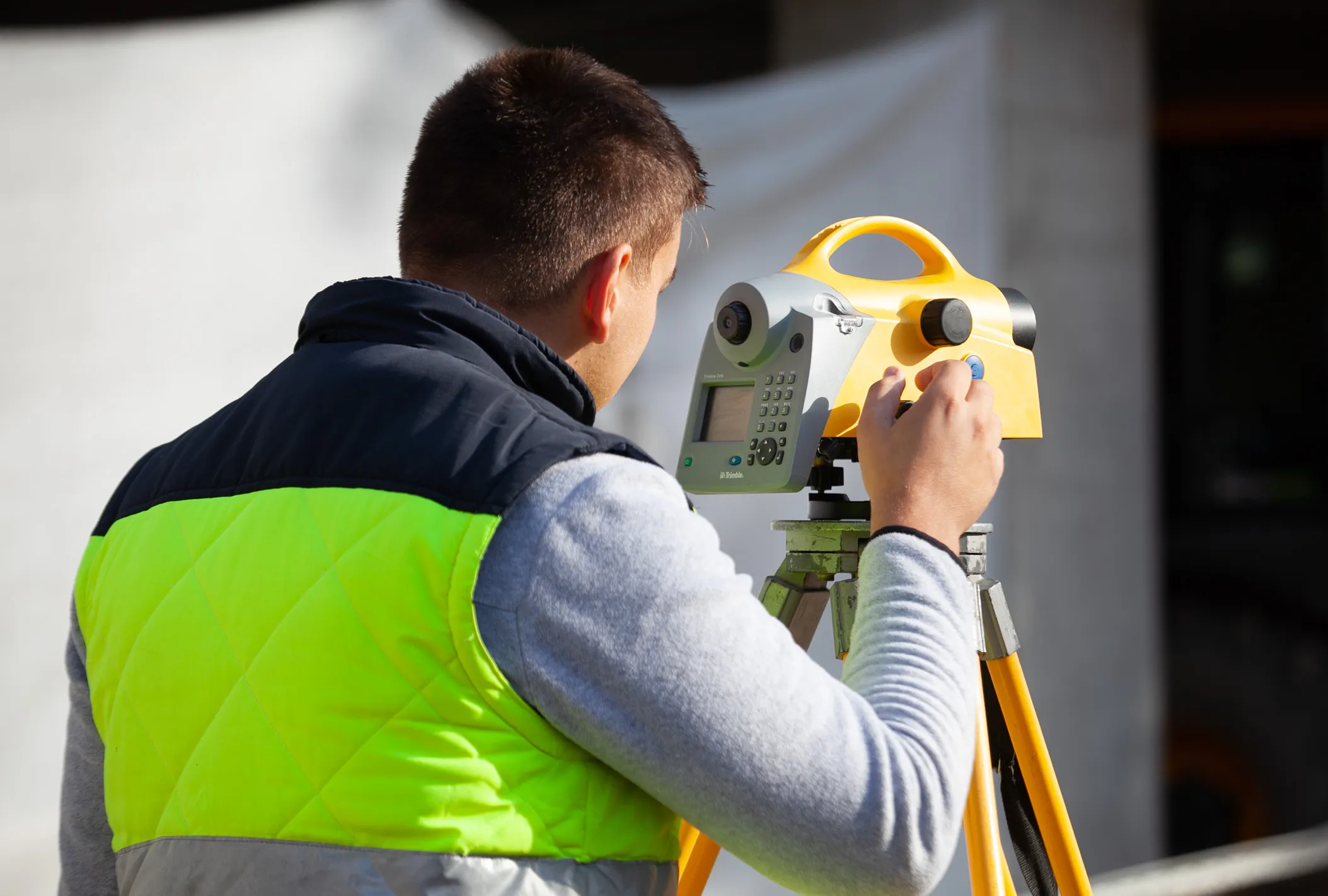
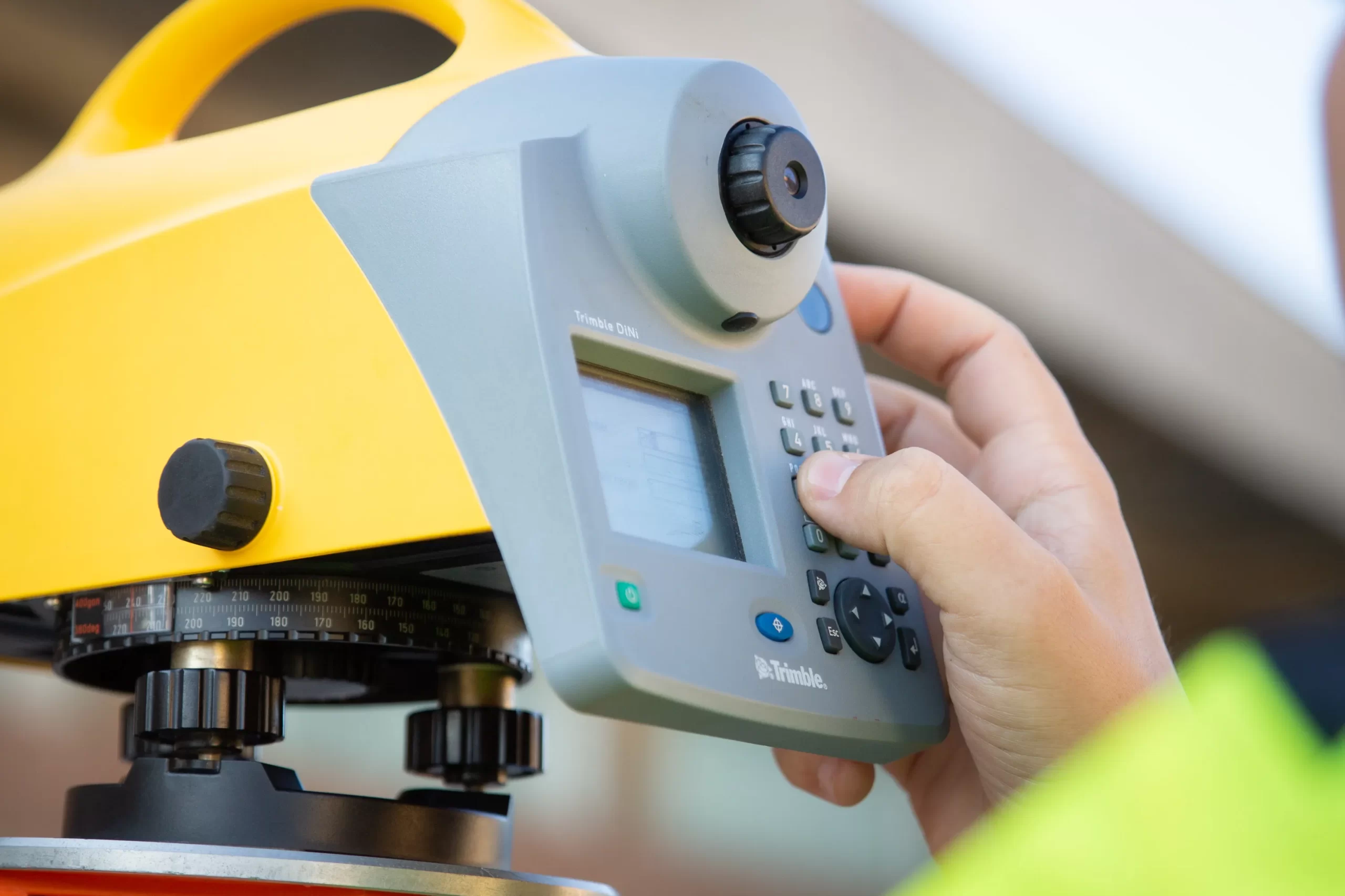
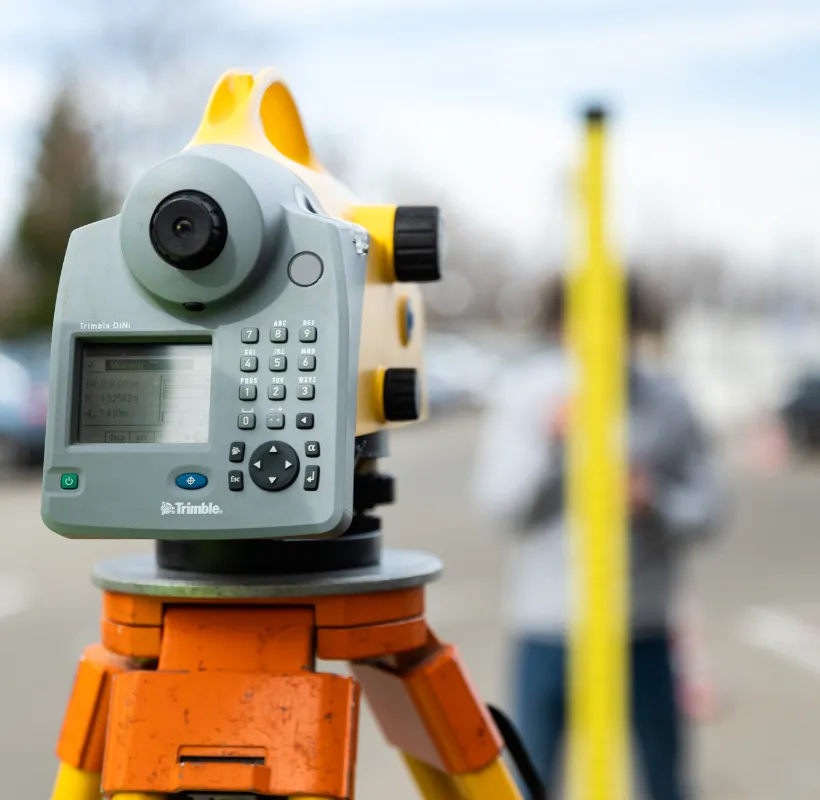
carrying out measurements according to the monitoring programme, using surveying methods and equipment suited to the project
processing measurements using the least squares method in order to determine the most probable settlement/displacement values and the corresponding standard deviations
preparing the monitoring report, including settlement/displacement values for the monitored points, graphs and diagrams, in digital format.
Current monitoring
Current monitoring consists of observing and recording aspects, phenomena or parameters that may indicate changes in the behaviour of the structure. It is carried out through direct visual inspection and, where necessary, using standard measuring instruments.
The activity is performed according to the instructions included in the technical execution design. For existing structures that do not have routine monitoring instructions, these may be prepared at the beneficiary’s request by companies specialised in the construction field.
Responsibility for organising routine monitoring lies with the investor/owner or administrator/user, according to the responsibilities applicable to the structure.
Reports resulting from monitoring activities are recorded in the Event Log and included in the Technical Book of the Construction.
For projects carried out by Xplorate, the documentation may include a photographic survey, the location and description of the structure, measurement results, graphs, conclusions and the technical information required for the specific project.
Depending on the project and the parameters established for monitoring, Xplorate measurements may include:
- Cracks monitoring
- Settlements monitoring
- Displacements / plane deformations monitoring
- Displacements / spatial deformations monitoring.
Vibration monitoring as part of structural behaviour monitoring
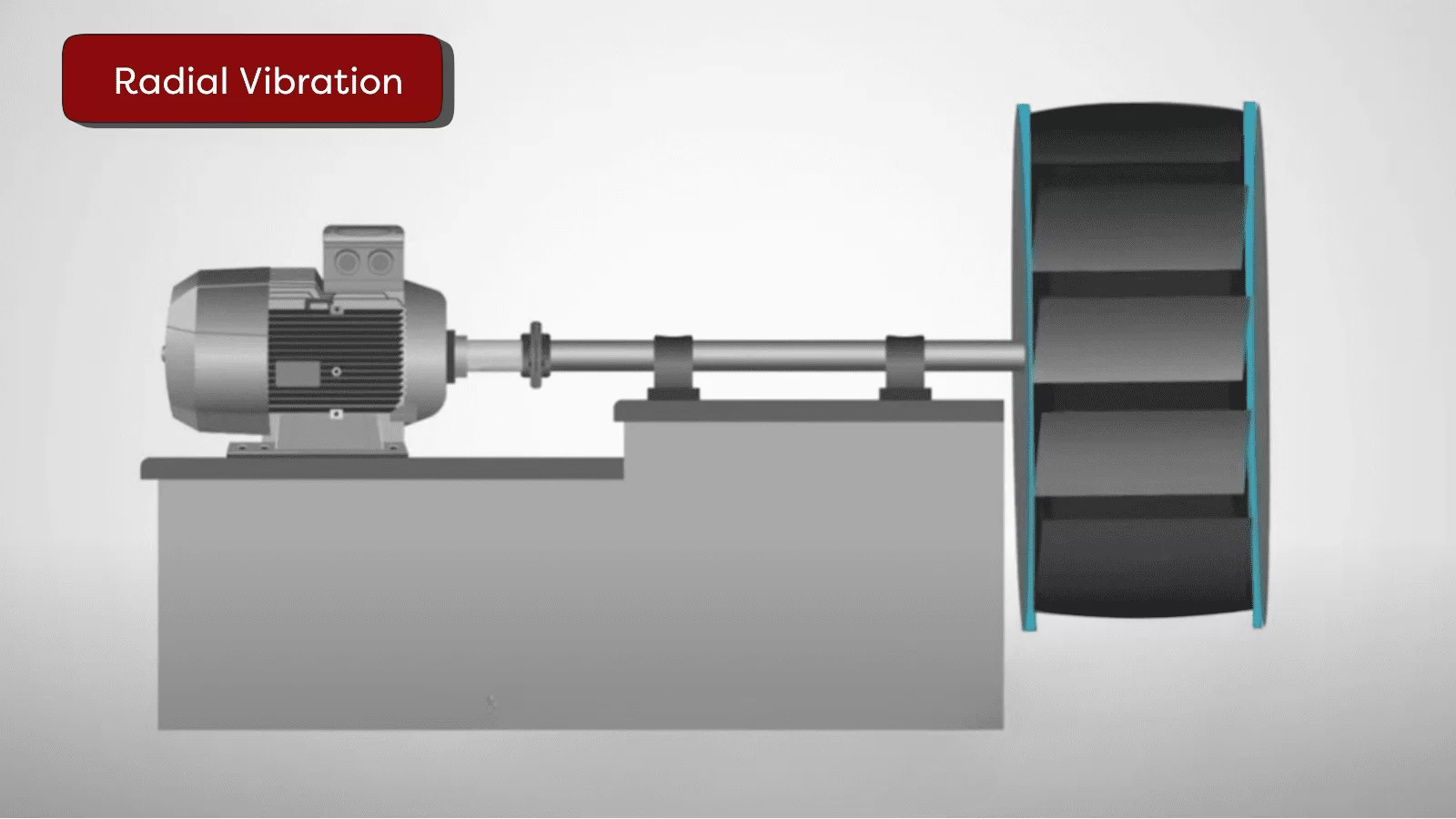
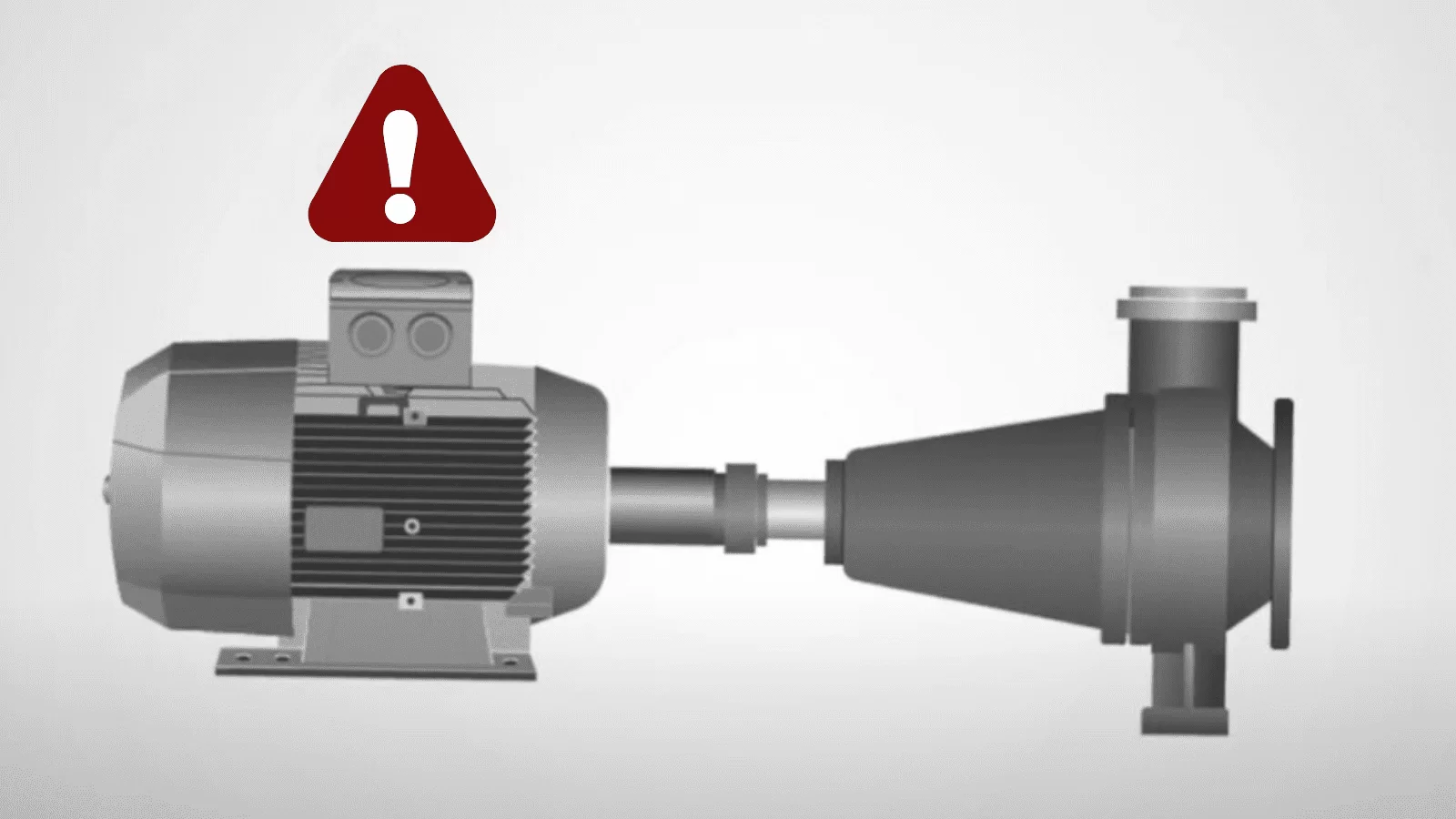
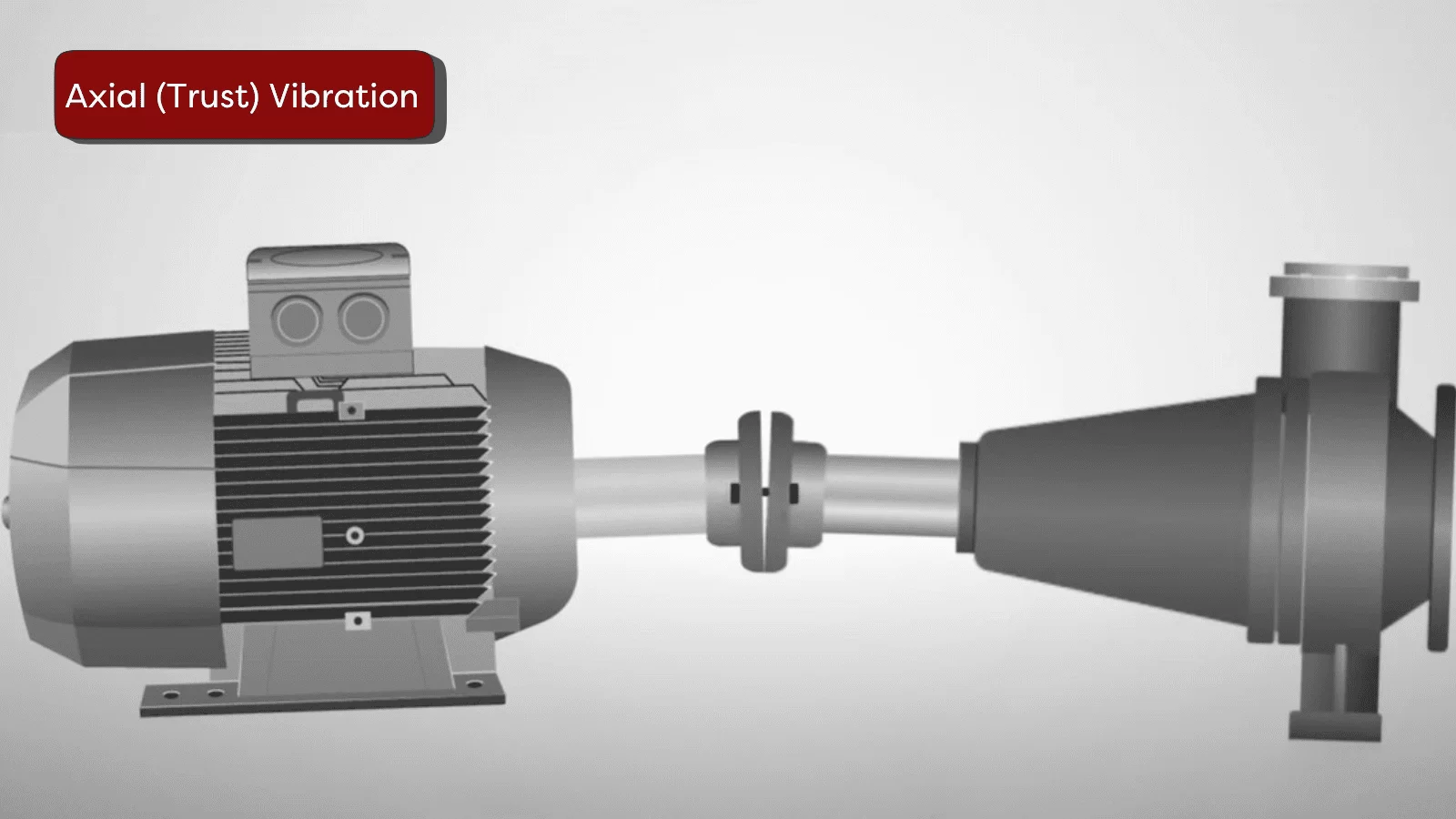
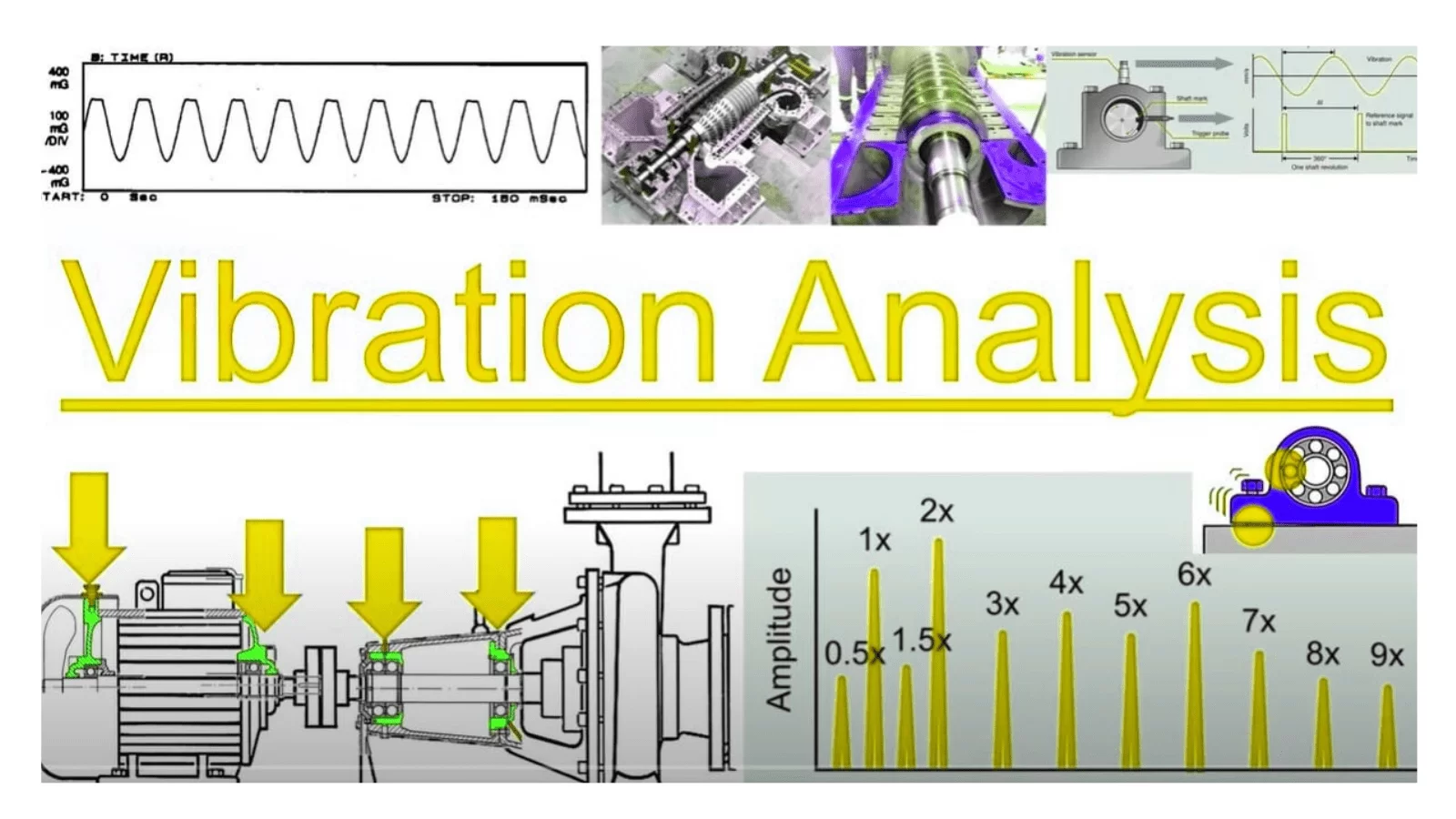
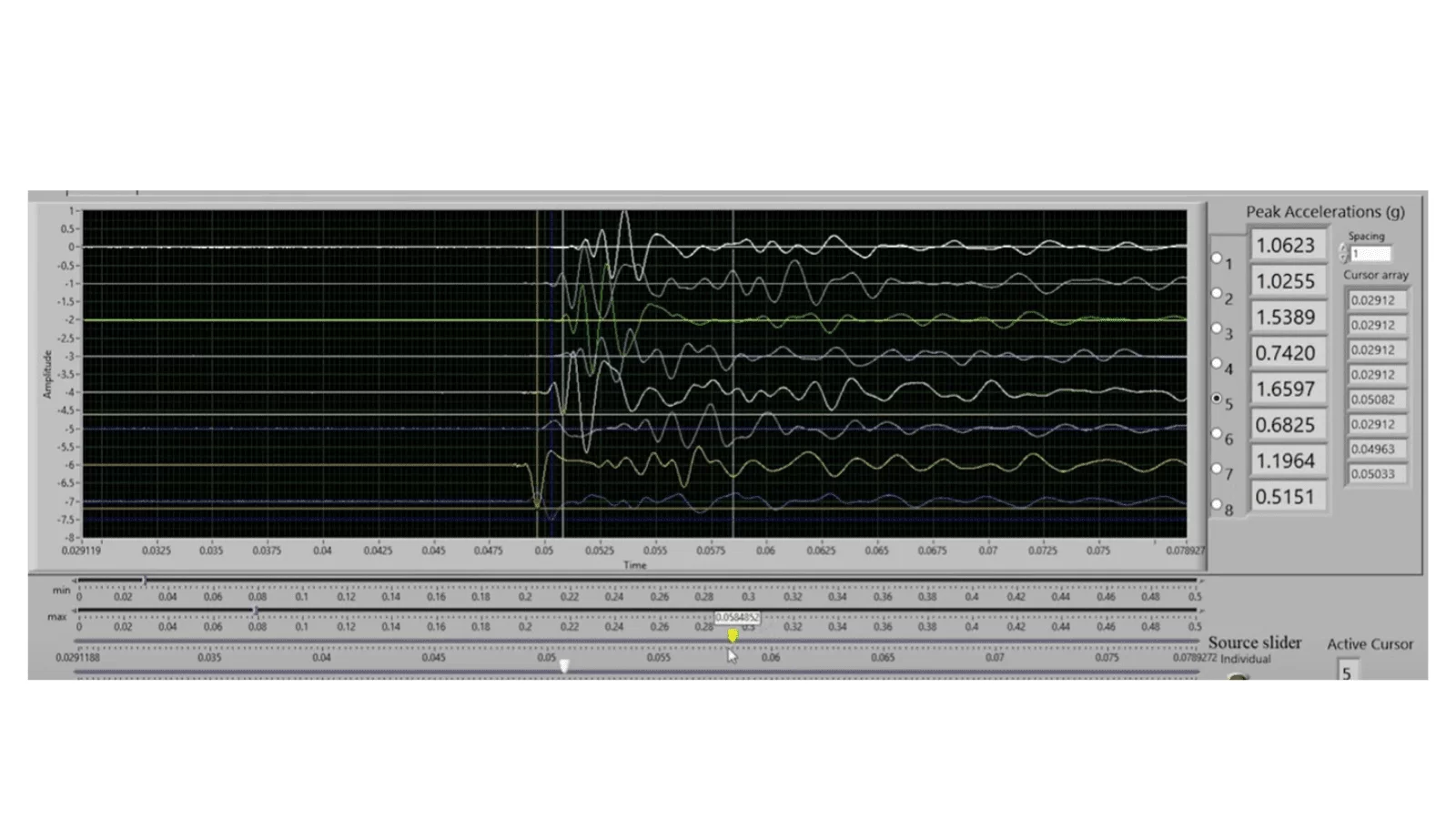
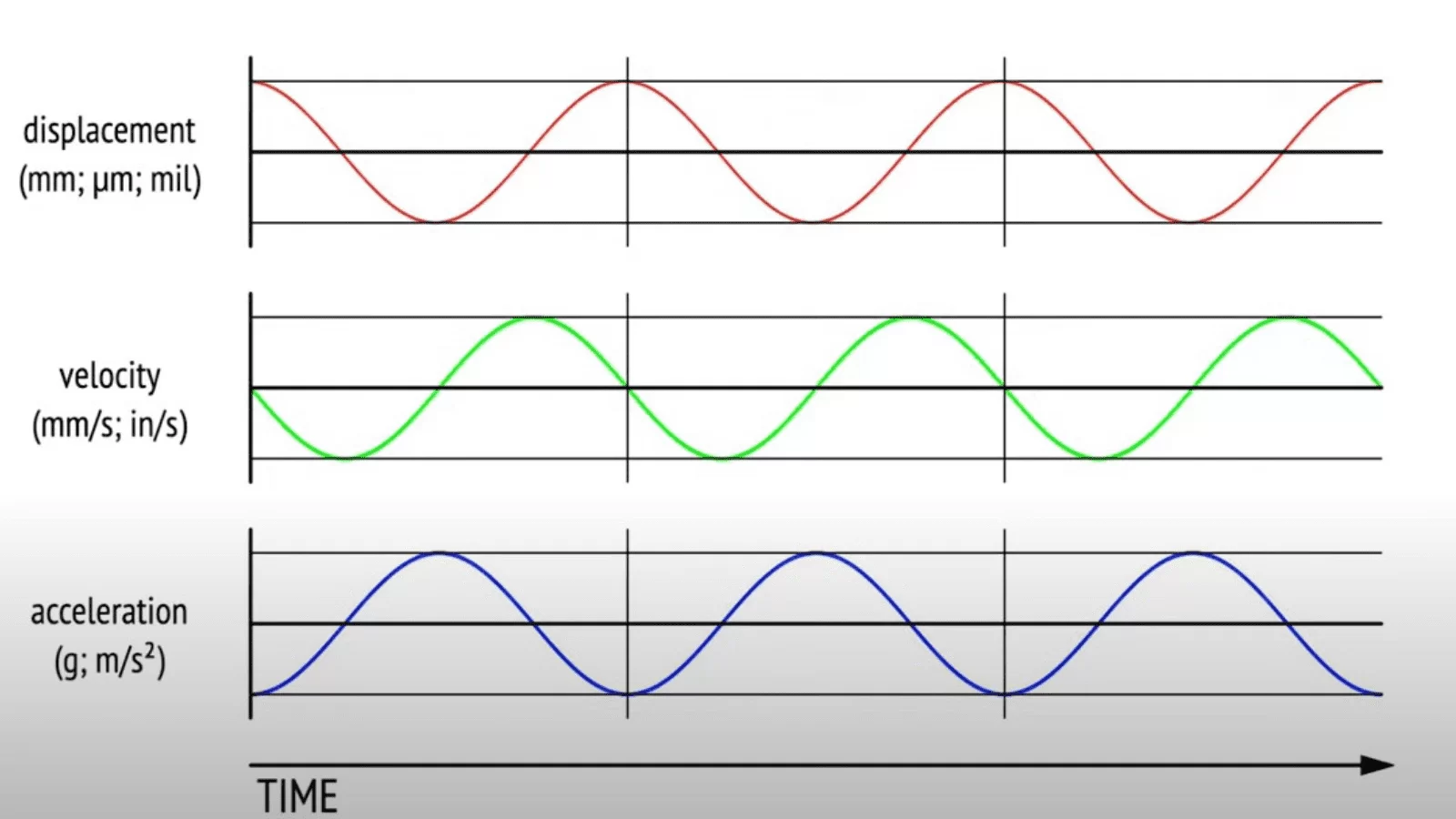
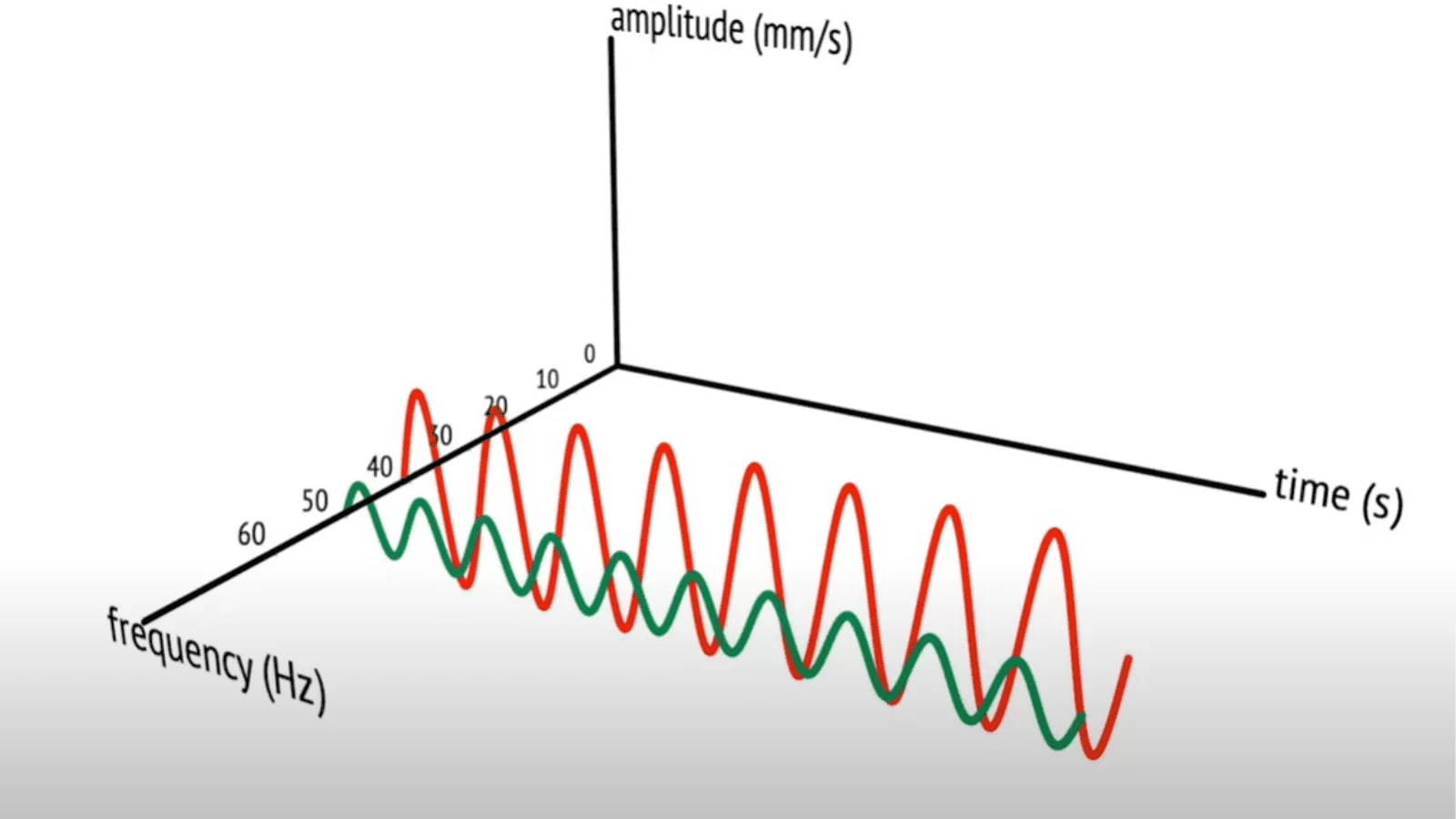
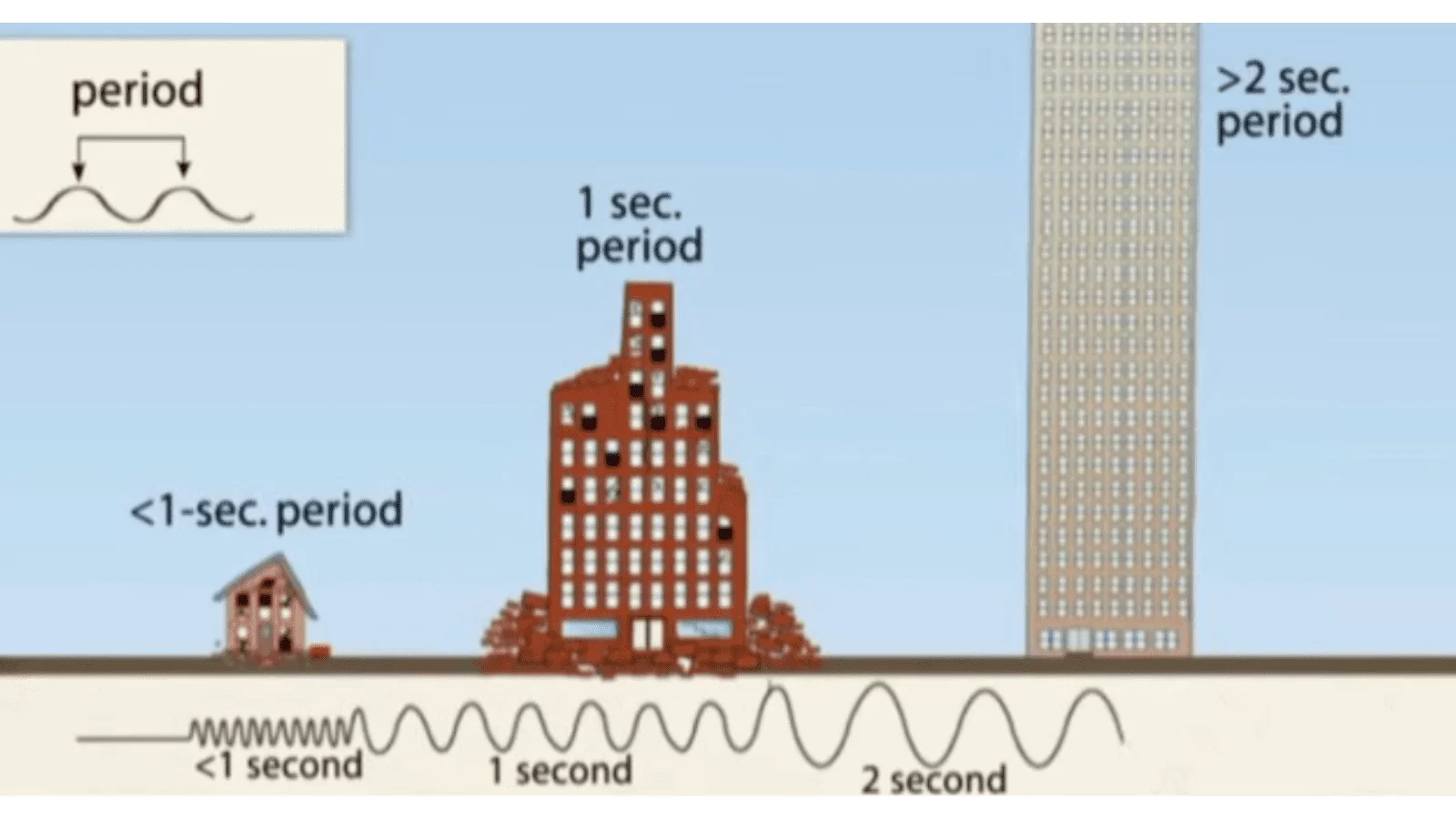
Vibrations generated by construction works, traffic, machinery, industrial activities or seismic actions may represent a relevant parameter in assessing the behaviour of a structure.
P 130-2025 includes vibration monitoring, including sensor-based systems, among the methods that may be used for structural behaviour monitoring.
Xplorate Group provides construction behavior tracking services, including vibration monitoring, an essential factor in preventing structural damage and ensuring safety.
Why is vibration monitoring important?
Monitoring makes it possible to record the evolution of the parameters being observed and to identify situations where measured values require technical assessment or action in accordance with the monitoring design.
Benefits:
✔ Early detection of changes in monitored parameters
✔ Prevention of structural deterioration
✔ Documentation of measured values and their evolution
✔ Protection of neighbouring structures
How vibration monitoring is conducted
How is vibration monitoring carried out?
1. The monitored parameters, measurement points, equipment locations and monitoring programme are established according to the purpose of the project.
2. Sensors and equipment are installed at the designated points, while the resulting data are recorded and analysed throughout the period specified in the monitoring programme.
3. The results are documented in reports presenting the measured values, their evolution and the information required for technical interpretation in relation to the project and the established criteria.
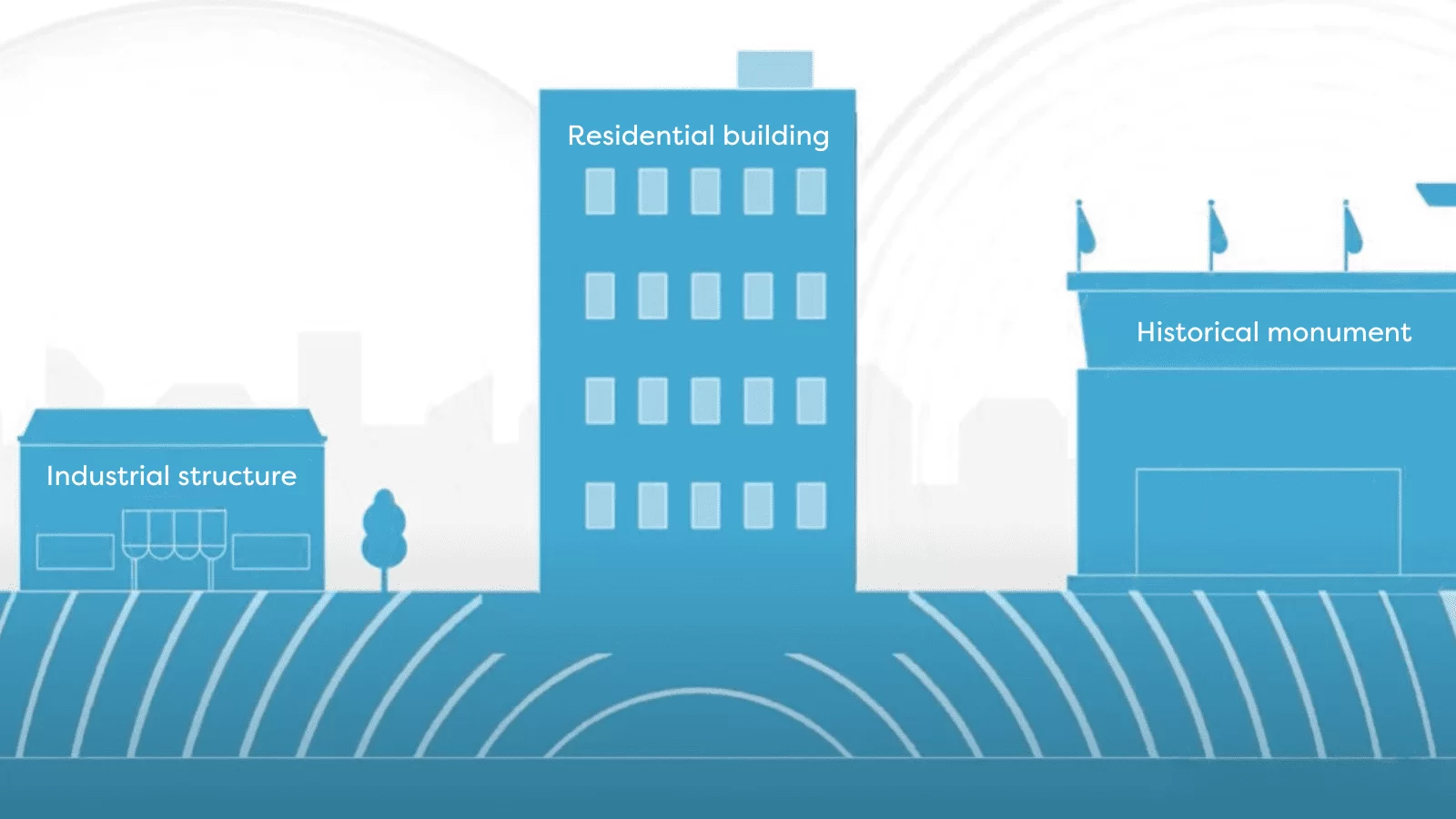
Monitoring may be applied to residential and commercial buildings, industrial structures, infrastructure, heritage buildings or structures located near works that may generate vibrations.
Who is responsible for monitoring the behaviour of a structure?
Law no. 10/1995 requires the owner to ensure the monitoring of the structure’s behaviour in accordance with the Technical Book of the Construction and the applicable regulations. Administrators and users also have responsibilities established through the Technical Book and through their contractual relationship with the owner.
Structural behaviour monitoring is carried out throughout the lifetime of the structure, and the resulting documentation forms part of its technical history.
FAQ
Is it mandatory to monitor the behavior of buildings?
Yes. For structures falling under P 130-2025, monitoring behaviour in service is mandatory and is carried out throughout the structure’s service life, starting after completion of the final acceptance of the works.
This activity forms part of the construction quality system and includes routine monitoring and, in cases established through the design, technical assessment or at the request of the authorities, special monitoring.
The monitoring category, intervals and methodology are established by the designer or certified technical expert. The resulting reports are included in the Technical Book of the Construction.
What types of constructions require monitoring?
P 130-2025 applies to all categories of structures falling within the scope of the regulation, including residential buildings, office buildings, retail spaces, industrial halls, bridges, passages, historic monuments, road infrastructure and other structures in service.
Hydrotechnical structures are monitored according to the specific regulations applicable to them.
Exemptions include single-family ground-floor houses and household annexes owned by individuals and located in rural areas or villages belonging to municipalities and towns, temporary structures and works that may be carried out without a building permit.
When is construction monitoring recommended?
Routine monitoring begins after completion of the final acceptance of the works and continues throughout the lifetime of the structure.
Special monitoring applies to new structures of special or exceptional importance, structures showing potentially hazardous behaviour or situations where it is recommended following a technical assessment.
It may also be requested by the owner, administrator, user or control authority.
Where cracks, settlement or deterioration are identified that may affect the fundamental requirements applicable to the structure, an extended inspection is carried out, followed, where necessary, by a technical assessment.
Monitoring during construction is established through the project’s technical documentation, as P 130-2025 regulates the monitoring of structures in service.
How often should measurements be taken?
Current monitoring is performed at the intervals established in the monitoring instructions, but at least once a year.
Inspection is also mandatory following exceptional events such as earthquakes, floods, fires, explosions or landslides.
For special monitoring, the measurement frequency is established in the monitoring design and may vary depending on the monitored parameters, the evolution of the structure and the identified risks.
Can a construction be monitored during excavation work?
Yes. For structures and utilities located near an excavation, measurements should begin before the works start in order to establish reference values and may continue throughout the period specified in the monitoring programme.
Settlement, displacement, inclination, cracks and vibrations generated by the works may be monitored.
Monitoring of a structure during construction is established through the project’s technical documentation, while monitoring under P 130-2025 begins after completion of the final acceptance of the works.
What does the monitoring report include?
A monitoring report includes the location and description of the structure, photographic documentation, recorded settlement or displacement values, tables, graphs and diagrams showing the evolution of the monitored points, as well as conclusions and recommendations.
How does monitoring help prevent risks?
By identifying changes in structural behaviour at an early stage, monitoring allows measured values to be assessed against reference values and the limits established through the design.
When deviations are identified, the relevant warning, verification and intervention procedures can be initiated.
Monitoring provides the data required to assess the technical condition of the structure and helps reduce the risk of incidents, accidents, damage and extensive deterioration.
Projects
- Construction behavior tracking in time.
- Survey engineering, Topographic survey, Setting out of designed elements, Bathymetric survey, Monitoring, Settlements monitoring
- Asistență topografică în șantier, UCC, rapoarte de monitorizare a deformatiilor 3D, măsurători As Built
- Survey engineering, topographic assistance on site, layout works, measurements and earthwork volume calculations (cut and fill).
- Survey engineering, measurements for monitoring the behavior of neighboring constructions over time, earthwork volume calculation, 3D monitoring of capping beams
- Interior mapping according to BOMA standards, construction behavior tracking in time, topographic survey, topographic assistance on site
- Floor plans and facades for determining verticality, georeferencing, construction behavior tracking in time
- Construction behavior tracking in time of the executed and neighboring constructions, land and construction registration, documentation to declare subdivision into flats, land dismantling
- On site topographic assistance ,construction behavior tracking in time.
- Interior measurements 60,000 sqm and calculation of rentable areas according to BOMA standard
- Topography survey , execution support , construction behavior tracking in time, land registry .
- 11 buildings G+11S. Resistance structure is monolith C30/C37 armored concrete, foundation is 85 cm thick with two-level basements and 30 cm thick walls.
- Topographic survey for design, topographic assistance on site, construction behavior tracking in time, land registry, updating, construction registration, individual units.
- Topography survey, execution support, construction behavior tracking in time, land registry.
- Topographic assistance on site - execution, Construction behavior tracking in time of the executed construction and the neighboring ones.
- 3B+G+23S. Total surface of 69.000 square meters. The first LEED Platinum certified building. Total office space: 60.000 square meters.
- Topographic surveying for design, Topographic assistance on site – execution, Monitoring
Send us a message
Contact a land surveying specialist
Alin Pisău
Technical Director